



When your car heat is not working during the cold Colorado Springs, CO winters, it becomes more than a comfort issue—it often signals a problem within the cooling and heating system that requires attention. One of the most frequent causes of heating failure is a coolant leak. Understanding how coolant functions and how leaks affect your vehicle can help you identify and address these issues quickly.
What Is Coolant and Why Is It Important?
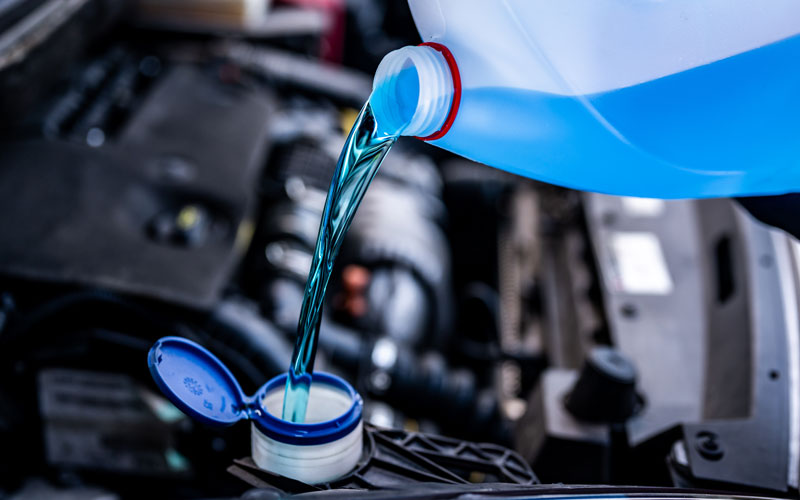
Coolant, commonly referred to as antifreeze, is essential for regulating engine temperature. It circulates through the engine, radiator, and heater core to manage heat and protect the engine from both overheating and freezing. When your car’s heat is not working, the problem often stems from the coolant system because the heater core relies on hot heat to warm the cabin.
The same system influences your air conditioning system’s performance. When coolant levels are low or circulation is disrupted, multiple climate-control components may be affected. As a result, issues such as the car AC not working can also appear when coolant system problems go unresolved.
How Coolant Leaks Cause Heating Issues
A coolant leak interrupts proper circulation through the engine and heater core. With insufficient coolant flowing through the system, the heater core cannot transfer heat into the cabin, resulting in cold air from the vents even when the heat is turned on.
Common causes of coolant leaks include:
- Damaged or deteriorated hoses and hose clamps.
- A cracked radiator or heater core.
- A malfunctioning water pump.
If your car’s heat is not working and you notice a sweet-smelling fluid under your vehicle, this may lead to a coolant leak. Overlooking the issue can lead to more severe problems, including engine overheating and internal damage.
Diagnosing and Fixing a Coolant Leak
If your car heat is not working, early diagnosis helps protect your vehicle from costly repairs. Begin by checking coolant levels and inspecting for visible leaks. Signs such as crusted residue on hoses, damp spots near the radiator, or puddles beneath the vehicle can indicate a problem.
Monitoring your engine temperature gauge also provides valuable insight. A rise in temperature combined with a lack of cabin heat strongly suggests a coolant circulation issue.
For accurate diagnosis, professional testing is recommended. Certified technicians can pressure-test the cooling system, inspect the heater core, thermostat, radiator, and water pump, and identify the exact cause of the leak. Addressing the root issue restores both cabin heat and engine protection.
Protect Your Vehicle from Coolant System Problems
When your car heat is not working, coolant system issues are often to blame. Prompt inspection and repair help prevent further damage, maintain cabin comfort, and keep the engine operating safely. Drivers in Colorado Springs, CO can rely on Alpine Buick GMC South for expert diagnostics and repairs that restore proper heating and cooling system performance.
Connect with us


- Alpine Buick GMC South
- Alpine Buick GMC South Service
- Buick and GMC Service
- Buick Dealer
- Buick Enclave
- Buick Encore GX
- Buick Envision
- Buick Envista
- Buick GMC Service
- Buick Service
- Colorado Springs Buick Dealer
- Colorado Springs Buick Service
- Colorado Springs GMC Dealer
- Colorado Springs GMC Service
- Colorado Springs Used Cars
- GMC Acadia
- GMC Canyon
- GMC Dealer
- GMC Sierra 1500
- GMC Sierra 2500 HD
- GMC Sierra 3500 HD
- GMC Terrain
- GMC Trucks
- GMC Yukon
- GMC Yukon XL
- Used Dealer
- Vehicle financing