



When choosing a new vehicle, one of the most important decisions you’ll face is what type of engine to go for. Whether you’re considering a Buick, GMC, or another vehicle, understanding the differences between diesel, gasoline, and natural gas engines is crucial for making an informed choice. Each engine type has its unique advantages and drawbacks, affecting everything from fuel economy and performance to environmental impact and long-term costs. At Alpine Buick GMC South, located in Colorado Springs, CO, we’re here to help you navigate this decision by breaking down the key differences between these engine types and how they can affect your driving experience.
Understanding Diesel Engines
Diesel engines have long been known for their power and efficiency, making them a popular choice for heavy-duty vehicles, such as trucks and SUVs. Diesel engines are known for their higher torque, fuel economy, and overall durability. Here’s what makes them stand out:
1. Performance and Power
One of the primary reasons diesel engines are favored in trucks and larger vehicles is their high torque. Torque is the force that moves your car, and diesel engines generate more torque at lower RPMs compared to gasoline engines. This makes diesel engines ideal for tasks like towing, hauling heavy loads, and driving in tough conditions.
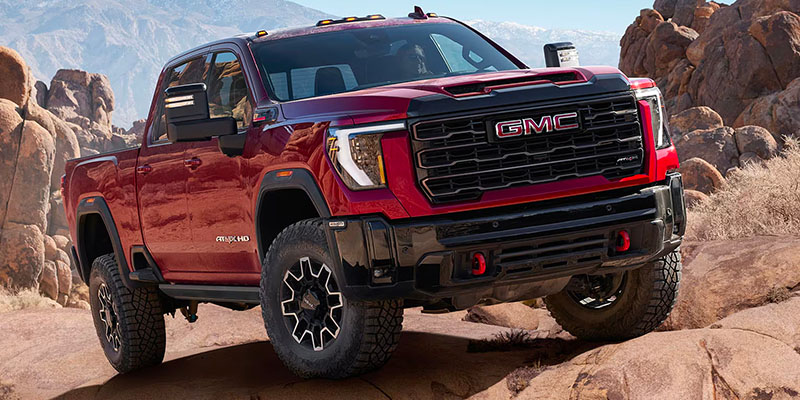
- Towing Capacity: Diesel-powered vehicles, such as the GMC Sierra 2500HD, are known for their excellent towing capabilities. The high torque provided by diesel engines allows them to tow larger loads with ease.
- Heavy-duty Power: If you need a vehicle for demanding work, such as transporting cargo or driving on rugged terrain, a diesel engine offers the strength and reliability you need.
2. Fuel Economy
Diesel engines are known for their impressive fuel efficiency. They are more energy-dense than gasoline, which means that diesel fuel delivers more power per gallon. Diesel vehicles typically offer better mileage, especially on highways, which can save you money in the long term.
- Long-distance Efficiency: If you’re someone who drives long distances frequently, a diesel vehicle can help reduce fuel stops and increase the range per tank.
3. Environmental Considerations
While diesel engines offer excellent fuel economy, they do tend to emit more nitrogen oxides (NOx) and particulate matter, which can have a negative impact on air quality. Advances in diesel technology, such as clean diesel engines and better exhaust filtration systems, have reduced emissions in modern diesel vehicles, but they still produce more pollutants compared to gasoline and natural gas engines.
- Emissions Concerns: Although diesel engines are more fuel-efficient, they are often subject to stricter emissions regulations, and drivers may need to consider the environmental impact of their choice.
Gasoline Engines: The Most Common Choice
Gasoline engines are by far the most common type of engine found in personal vehicles today. Their popularity is due to a combination of factors, including affordability, reliability, and a good balance of power and fuel efficiency. Here’s a closer look at gasoline engines:
1. Power and Efficiency
Gasoline engines are designed for a balance of performance and efficiency. They tend to have lower torque than diesel engines but are well-suited for everyday driving needs. While gasoline engines may not offer the towing power of diesel engines, they provide plenty of power for general driving and offer a smooth, quiet ride.
- Sufficient for Daily Driving: For most drivers, a gasoline engine provides more than enough power for daily commuting, running errands, or enjoying weekend road trips.
- Affordable Maintenance: Gasoline engines are typically easier to maintain and repair, which can reduce the long-term cost of ownership.
2. Fuel Economy
While gasoline engines don’t offer the same fuel economy as diesel engines, they strike a good balance in terms of both efficiency and performance. Modern gasoline engines, especially turbocharged versions, are becoming increasingly fuel-efficient, making them a great choice for drivers who want a combination of power and economy.
- Ideal for City Driving: Gasoline engines are often more fuel-efficient in city driving conditions, where frequent stopping and starting occur.
3. Environmental Impact
Gasoline engines produce fewer pollutants than diesel engines, but they still contribute to greenhouse gas emissions. Newer gasoline engines are equipped with advanced catalytic converters and direct injection technology, which reduce their environmental impact compared to older models.
- Lower Emissions: Modern gasoline engines produce fewer particulate emissions, making them a more environmentally friendly option compared to diesel.
Natural Gas Engines: An Emerging Option
While natural gas vehicles (NGVs) are not as common as gasoline and diesel vehicles, they offer several benefits that make them an appealing choice for environmentally-conscious drivers. Natural gas is a cleaner alternative to gasoline and diesel, with lower carbon emissions and a smaller environmental footprint.
1. Environmental Benefits
One of the main advantages of natural gas vehicles is their significantly lower environmental impact. Natural gas engines produce fewer greenhouse gas emissions, particularly carbon dioxide (CO2), compared to gasoline and diesel engines. They also produce lower levels of NOx and particulate matter, which means they contribute less to air pollution.
- Clean Energy Source: Natural gas is considered a cleaner fuel than gasoline and diesel, offering a more environmentally responsible driving option.
2. Fuel Economy and Cost
Natural gas is generally less expensive than gasoline or diesel, which can result in lower operating costs. However, natural gas vehicles can sometimes have a higher initial purchase price due to the specialized engines and infrastructure required. Furthermore, natural gas stations are less widespread than gasoline stations, which may limit the convenience of refueling, depending on your location.
- Lower Fuel Costs: If you have access to natural gas refueling stations, natural gas can be an affordable option, especially for those who drive long distances.
- Limited Infrastructure: While natural gas vehicles are growing in popularity, the refueling infrastructure is not as widely available as gasoline or diesel stations.
3. Performance Considerations
Natural gas vehicles often have lower horsepower compared to their gasoline and diesel counterparts, which can affect performance, especially for those who need towing or off-road capabilities. While natural gas vehicles are suitable for city driving and light-duty tasks, they may not be the best choice for heavy-duty work.
- Ideal for Light-Duty Use: Natural gas engines work well for city driving and commuter vehicles but may not offer the power needed for heavy-duty tasks or long-haul driving.
Which Engine Option is Right for You?
Choosing between diesel, gasoline, or natural gas depends on your specific driving needs, environmental concerns, and budget. Here’s a breakdown of which engine option may be the best fit for different types of drivers:
- Go Diesel if: You need a vehicle with high towing capacity, excellent fuel economy, and the ability to handle heavy-duty tasks. Diesel engines are ideal for those who need a powerful, durable truck or SUV.
- Go Gasoline if: You want a balance of performance, affordability, and good fuel efficiency for daily driving. Gasoline engines are perfect for most personal vehicles, from commuter cars to family SUVs.
- Go Natural Gas if: You are environmentally conscious and want to reduce your carbon footprint. Natural gas is an excellent choice for those who have access to refueling stations and don’t require the high power needed for towing or off-road use.
At Alpine Buick GMC South in Colorado Springs, we offer a wide range of vehicles, including trucks and SUVs that are ideal for every type of driving need. Whether you’re leaning toward a diesel-powered GMC Sierra, a fuel-efficient Buick Envision, or another vehicle, our team is here to help you find the best fit based on your preferences and requirements.
Connect with us


- Alpine Buick GMC South
- Alpine Buick GMC South Service
- Buick and GMC Service
- Buick Dealer
- Buick Enclave
- Buick Encore GX
- Buick Envision
- Buick Envista
- Buick GMC Service
- Buick Service
- Colorado Springs Buick Dealer
- Colorado Springs Buick Service
- Colorado Springs GMC Dealer
- Colorado Springs GMC Service
- Colorado Springs Used Cars
- GMC Acadia
- GMC Canyon
- GMC Dealer
- GMC Sierra 1500
- GMC Sierra 2500 HD
- GMC Sierra 3500 HD
- GMC Terrain
- GMC Trucks
- GMC Yukon
- GMC Yukon XL
- Used Dealer
- Vehicle financing