



The alternator is one of the most crucial components of your vehicle’s electrical system. It keeps your battery charged and powers your vehicle’s electrical systems while the engine is running. Without a properly functioning alternator, your car wouldn’t be able to operate many essential functions, from the lights to the radio, and even your car’s engine management system. Understanding the role of the alternator, how to spot signs of trouble, and the best practices for maintaining it can help keep your vehicle running smoothly. At Alpine Buick GMC South in Colorado Springs, CO, we’re here to explain the importance of the alternator and how you can ensure it lasts for years to come.
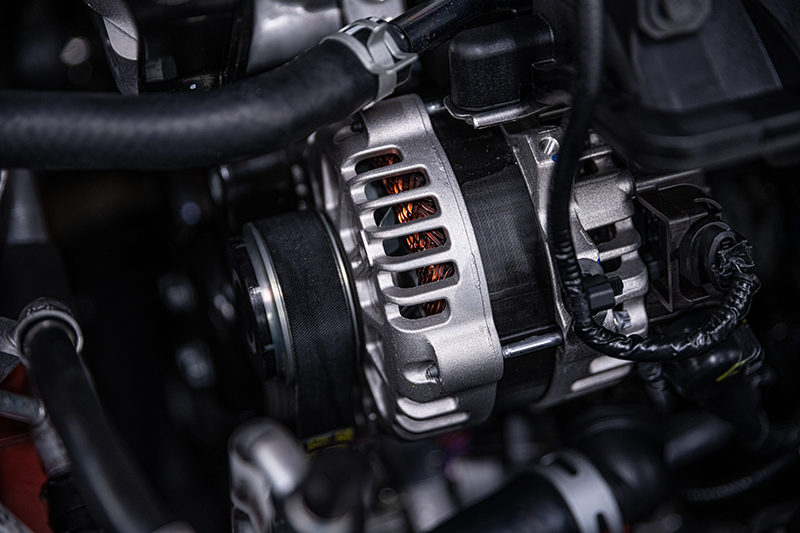
What is an Alternator?
An alternator is a type of electrical generator that produces alternating current (AC). In most vehicles, the alternator converts mechanical energy from the engine into electrical energy, which is then used to charge the car’s battery and power electrical components. The alternator works hand-in-hand with the battery, ensuring that the vehicle’s electrical systems stay powered while driving.
While the engine is running, the alternator generates electricity and sends it to the battery, keeping it charged. Without this constant charge, your vehicle’s battery would eventually run out of power, leaving you with a dead battery and an inoperable vehicle. Additionally, the alternator supplies power to other systems, such as your headlights, air conditioning, and infotainment system.
The alternator is driven by a serpentine belt, which connects it to the engine’s crankshaft. This mechanical connection ensures that the alternator receives the energy it needs to generate electricity as the engine runs.
How Does an Alternator Work?
At its core, the alternator converts the mechanical energy generated by the engine into electrical energy. Here’s a simplified breakdown of the process:
- The Alternator Is Powered by the Engine: The alternator is connected to the engine via a belt system (often a serpentine belt). As the engine runs, it turns the alternator’s rotor.
- Magnetic Field Generates Electrical Power: The rotor spins within a set of stationary copper windings called the stator. The movement of the rotor creates a magnetic field, which induces electrical current in the stator. This current is alternating current (AC), which is then converted into direct current (DC).
- Charging the Battery: Once the current is converted to DC, it is sent to the battery and other electrical systems, maintaining a charge in the battery and ensuring that the vehicle’s electrical systems have a constant power supply.
Signs Your Alternator May Be Failing
Like any other vehicle component, alternators can fail over time. If your alternator begins to malfunction, you may notice several signs. Recognizing these symptoms early can help you avoid a breakdown and prevent further damage to your vehicle.
1. Dim or Flickering Lights
One of the first signs of an alternator problem is dim or flickering headlights. Since the alternator is responsible for powering your vehicle’s electrical systems, any issues with the alternator’s ability to generate power can cause a noticeable decrease in brightness. If your headlights flicker or dim while driving, it could be a sign that your alternator isn’t functioning properly.
2. Warning Lights on the Dashboard
Modern vehicles, including most Buick and GMC models, have a battery warning light that will illuminate on the dashboard when the alternator isn’t charging properly. This light may also appear if there’s an issue with the battery or its connections, but a failing alternator is a common cause. If this light comes on, it’s essential to have your alternator inspected immediately.
3. Electrical System Failures
A failing alternator can cause other electrical systems in your vehicle to malfunction. This could include your power windows, dashboard lights, air conditioning, or infotainment system. If these systems suddenly stop working or behave erratically, it’s a good idea to check the alternator.
4. Weak or Dead Battery
If your alternator isn’t charging your battery correctly, it can lead to a dead or weak battery. You may notice difficulty starting your car or hear a clicking noise when trying to start the engine. While a dead battery can also be caused by age or a poor connection, if your battery repeatedly dies, it’s worth checking the alternator.
5. Strange Noises from the Engine
If you hear a grinding or whining noise coming from the engine, it could be due to a faulty alternator bearing. The alternator’s moving parts can wear out over time, causing noise that can eventually lead to a complete failure if not addressed.
How to Maintain Your Alternator
Proper maintenance of your alternator can help extend its lifespan and avoid unexpected breakdowns. While alternators are generally durable, regular checks and maintenance can ensure they continue to function optimally.
1. Check the Serpentine Belt
Since the alternator is powered by the engine’s serpentine belt, it’s important to make sure the belt is in good condition. A worn or loose belt can cause the alternator to work inefficiently or fail altogether. Regularly inspect the belt for signs of cracking or wear, and replace it if necessary.
- Belt Tension: Ensure that the serpentine belt has the proper tension. If it’s too loose, it won’t efficiently drive the alternator.
2. Clean the Alternator and Battery Terminals
Dirt, grime, and corrosion can build up on the alternator and battery terminals, reducing their efficiency. Clean the terminals regularly to ensure a proper connection between the alternator and the battery. This helps maintain the alternator’s ability to charge the battery efficiently.
3. Perform Regular Electrical System Inspections
Having the electrical system in your car regularly inspected can help catch potential alternator issues early. An auto technician will check the alternator’s output and ensure that it’s generating the correct voltage to keep your battery charged.
4. Test the Alternator and Battery
If you suspect issues with your alternator, it’s a good idea to have both the alternator and battery tested. An auto technician can use a multimeter or a diagnostic tool to check the alternator’s voltage output. Most modern vehicles also have diagnostic systems that can alert technicians to alternator issues.
How We Can Help at Alpine Buick GMC South
At Alpine Buick GMC South in Colorado Springs, CO, we understand the importance of keeping your vehicle’s electrical system in top condition. If you’re experiencing issues with your alternator or any other electrical system in your vehicle, our service team is here to help. Our certified technicians have extensive experience working on Buick and GMC models, and we offer thorough alternator inspections and repairs to ensure that your vehicle is running smoothly.
If you’re unsure whether your alternator needs attention, our team can quickly diagnose any issues and advise you on the best course of action. We also offer comprehensive maintenance packages that help keep your alternator and electrical system in optimal condition, so you can drive with confidence.
Connect with us


- Alpine Buick GMC South
- Alpine Buick GMC South Service
- Buick and GMC Service
- Buick Dealer
- Buick Enclave
- Buick Encore GX
- Buick Envision
- Buick Envista
- Buick GMC Service
- Buick Service
- Colorado Springs Buick Dealer
- Colorado Springs Buick Service
- Colorado Springs GMC Dealer
- Colorado Springs GMC Service
- Colorado Springs Used Cars
- GMC Acadia
- GMC Canyon
- GMC Dealer
- GMC Sierra 1500
- GMC Sierra 2500 HD
- GMC Sierra 3500 HD
- GMC Terrain
- GMC Trucks
- GMC Yukon
- GMC Yukon XL
- Used Dealer
- Vehicle financing